
Ministry of Primary
and Secondary Education
ZIMBABWE
Structural Iron and Steel Workers
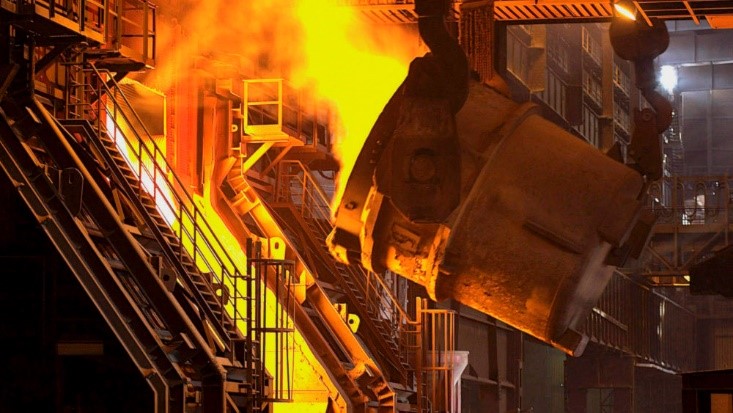
 Benefits to Secondary industries
I work on building structures such as commercial buildings, residential complexes, bridges, stadiums, and industrial facilities. I erect steel frames, install steel beams and columns, and assemble metal structures that provide the foundation and framework for construction projects. I contribute to the manufacturing industry by constructing and maintaining the facilities that house manufacturing operations. I also help build factories, warehouses, and industrial plants, ensuring that these structures are structurally sound and meet safety standards. Additionally, they may install specialized equipment and machinery used in manufacturing processes.
 Where do you live?
In a low density Surbab in the capital city close to my SteelWorks company.
 What are some important skills?
Understanding the operation and maintenance of heavy machinery, equipment, and systems specific to the industry. Safety is of paramount importance in the heavy industry due to the potentially hazardous nature of the work environment. Proficiency in mechanical and electrical skills is essential in heavy industry roles.
 What is your favourite part of your job?
The heavy industry is a major source of employment and contributes to economic growth. It creates jobs across various sectors, including manufacturing, construction, engineering, and logistics. The industry's activities stimulate economic activity, generate revenue, and contribute to the overall GDP of a country or region. I can work with my family and friends in my SteelWorks company.
 What are the main tools of the trade?
Cranes are essential tools in the heavy industry for lifting and moving heavy objects, equipment, and materials. Excavators , Welding equipment , Cutting Tools , drills, impact wrenches, and pneumatic tools, are widely used in heavy industry applications, Pumps are used in heavy industry sectors for fluid transfer, circulation, and pressure generation and Material Handling Equipment
 What training have you had?
I have a Bachelor of Engineering in Civil and Structural Engineering
 Where do you see yourself in 10 years?
In my SteelWorks company probably using new automated technologies and robots to do certain stuff like carrying heavy loads.
 Trip Preparation. Questions to ask :)
Here are some potential questions learners could ask structural iron and steel workers based on the subtopics:
- Important Skills:
- What skills do you think are most critical for success as a structural iron and steel worker?
- Can you give an example of a time when you had to use a particular skill to overcome a challenge in your work?
- How do you stay proficient in essential skills such as welding, rigging, and blueprint reading?
- Favorite Part of the Job:
- What do you enjoy most about being a structural iron and steel worker?
- Can you describe a particularly memorable project or structure you worked on?
- What aspects of working with iron and steel excite you the most?
- Main Tools of the Trade:
- What tools or equipment do you rely on most in your daily work as a structural iron and steel worker?
- How do you stay up-to-date with advancements in tools and techniques in the construction industry?
- Training:
- Can you walk us through your training process to become a structural iron and steel worker?
- What kind of ongoing training or professional development do you participate in?
- How has your training prepared you for the challenges of being a structural iron and steel worker?
- Future Career Goals:
- What are your long-term career goals, and how do you see yourself progressing in the structural iron and steel industry?
- What advice would you give to someone who wants to pursue a career as a structural iron and steel worker?
This section is for the parents:
- Questions to Ask Your Child After a Field Visit:
- What did you learn or discover during the field visit?
- What was your favorite part of the trip and why?
- What surprised you or challenged your thinking?
- How did the field visit relate to your interests or career goals?
- What questions do you still have after the visit?
- How can you apply what you learned to your everyday life or future career?
- Additional Questions:
- What did you observe or notice about the place or activity?
- What skills or knowledge did you gain from the experience?
- How did the field visit change your perspective or understanding of a topic?
- What would you like to learn more about based on the field visit?